Judgement instead of process.
Large firms sell process. I sell judgement. I run every search myself, you get my read on every candidate, and I carry the outcome.
I am a headhunter for biotech. Since 2011 I have filled leadership roles for companies from founding to commercialisation, in Europe and the US. More than 1,000 placements across biotech, pharma and MedTech, most of them at Director and VP level. I am based in Munich and host the podcast Willing to Win.
I founded Rados Recruiting in 2020 and I am a mentor in the Life Science Nord Mentoring Network. My search experience is documented on the executive search experience page.
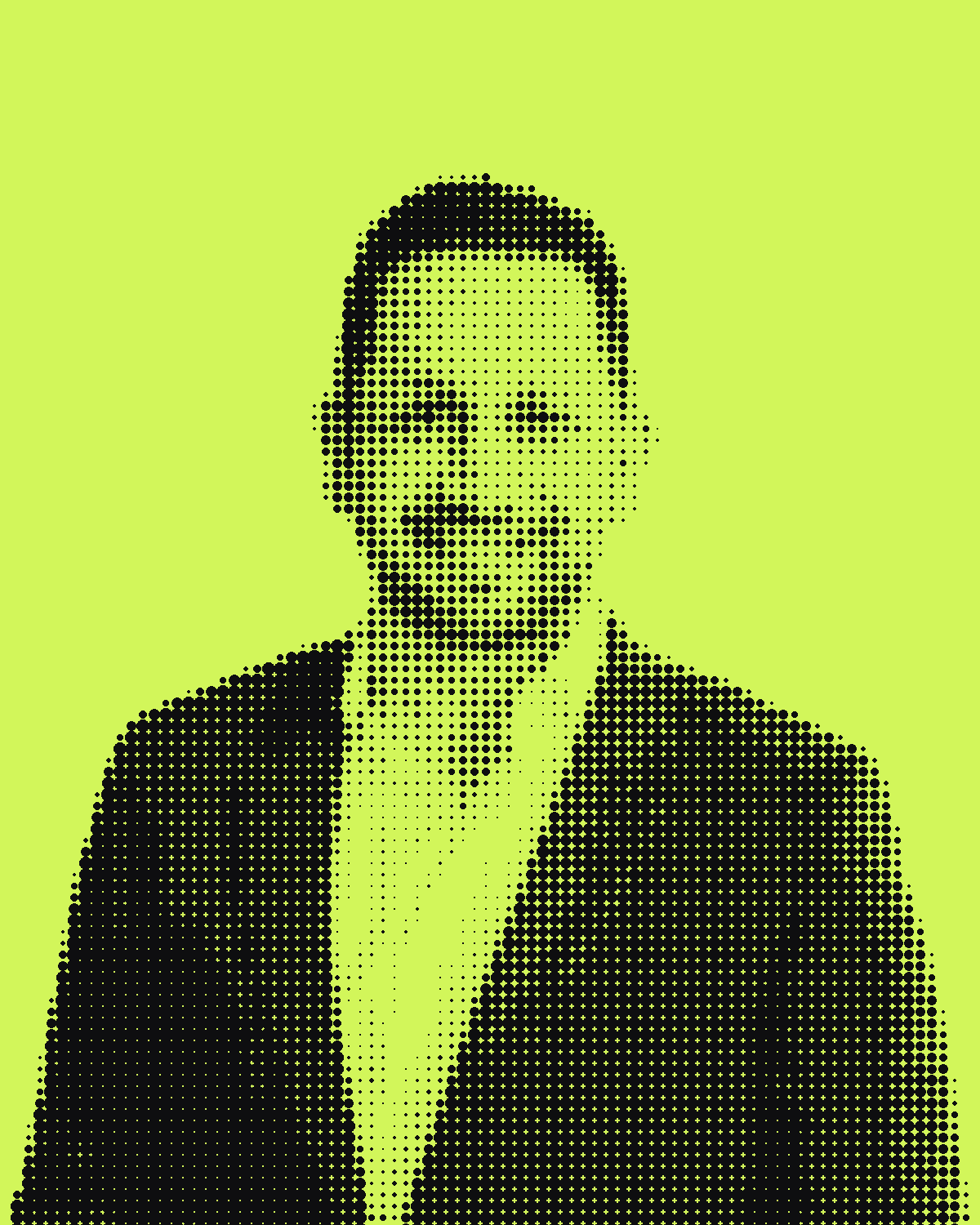
“The CV tells you what someone can do. Stage fit and need fit tell you whether it will work here.”
Christian Rados.png)
My top two needs are contribution and growth. Yes, that comes straight from my own method. I'd be a poor headhunter if I didn't know my own.
Contribution. I create better leadership hires in biotech and help save lives. The Rados Method is how I make that count. Every search is a chance to raise the odds that a drug gets to patients.
Willing to Win is contribution too. Biotech leaders who went through real struggle, failed trials, board fights, near bankruptcy, and tell it straight. For everyone in my community who is in the middle of their own struggle right now: you're not alone, and here is how someone got through.
Growth. Every search and every conversation on the podcast teaches me something. Growth means progress: getting better, understanding deeper, being able to do more than yesterday. It's about becoming a bigger version of myself.
I asked myself: what business am I really in? The answer: I create better leadership hires in biotech and help save lives.
This led me to a more difficult question: I've got these skills, so how can I have a bigger impact, so that more and better drugs get to patients and save lives?
I started my career placing freelance and interim consultants into biotech and pharma companies. That's where I saw the mechanics of a derailed need fit up close, in the people I had placed. I kept wondering why some of them played out the way they did inside the companies I had placed them in, and not in the best interest of the company, and in the end the patient.
Early on, my philosophy was skill fit plus chemistry. That's so 2010. And believe me: most headhunters, and unfortunately most clients, still run on that belief.
Avoiding mishires matters. But what matters more is hiring people who perform better, bring more energy and make the best decisions.
Years of global placements at mid to senior level, permanent, interim and fractional, taught me one thing: how to make different hiring decisions.
I could have stayed with Director and VP roles. But my biggest impact is where the fundamental decisions are made, right or wrong: in the C-suite and the boardroom.
And when the stage of the company is aligned with the person's needs and values, something special happens: more energy, better performance and better results. That's why I eventually developed the Rados Method.
I was the first to bring stage fit and need fit into executive search. Because when the stage and the person fit, leaders make better decisions.
I have been a headhunter for biotech since 2011. The first years were at Hays, 2011 to 2014: best newcomer in 2011, Top Performer Award 2012 to 2014. In fifteen years I have filled more than 1,000 leadership roles across biotech, pharma and MedTech, most of them at Director and VP level, permanent and interim, in Europe and the US.
In 2020 I founded Rados Recruiting in Munich, a GmbH since 2022. The clients are biotech companies from founding to commercialisation, most of them venture-backed, some listed. I fill CEO, CFO, CMO, CSO, CBO, COO and CTO seats, plus board seats. Permanent, interim or fractional, depending on what the work actually is. The searches and the five public recommendations are on the experience page.
I live in Munich with my family and Joker, the Labradoodle. Outside the office: surfing, the gym, and a very good espresso.
One person on the mandate, from the first call to the placement. That person is me. No partner who pitches the role and hands it over, no associate, no researcher you never meet. When you call, you reach the one who did the search.
Every search starts with the whole market, not with who happens to be available. The Rados Method checks three fits: skill fit, stage fit and need fit. Skill fit is the foundation every serious search covers: expertise, experience, track record. I check it on every candidate, along with location, contract type, availability and languages. My briefing does not start there. It starts with the company. Stage fit and need fit are where hires succeed or fail.
What does this role demand at this stage of the company?
A Series A company and a Phase 2 company do not need the same CFO. I place the company on a six-stage lifecycle from what can be observed: the round, the headcount, the clinical phase, the board. That tells me which capabilities the seat demands right now and which needs it can feed. I search against that, not against the title.
What are the top two needs that drive this executive?
Capability gets a person hired. Whether the seat keeps feeding the two of six human needs that drive them decides whether they stay and do their best work. The need stays constant. When the role changes, what feeds those needs changes with it, and a person can starve on the needs that matter most.
Rados Recruiting is one person, and I built it that way. Here is what that buys you.
Large firms sell process. I sell judgement. I run every search myself, you get my read on every candidate, and I carry the outcome.
Global firms take four to six months to fill a C-level seat. I close permanent searches in under 30 days and interim and fractional mandates in 3 days. I go into the whole market every time, several thousand personal contacts plus everyone I have not met yet, and fifteen years of judging who fits which stage keep the shortlist short. Research and market mapping run on AI tooling. The calls, the referencing and the assessment I do myself. No automated outreach. Every approach is personal.
If a permanent executive I placed leaves within twelve months, I run the search again at no additional fee. Stage fit and need fit are a promise of outcome, and I carry the risk of being wrong.
You work with the headhunter, not with a sales team. The person who takes the brief is the person who calls the candidates and the person who calls you back.
That is the whole model. Fewer people, more accountability, and a shortlist in days because I mapped the market before you called.
I host Willing to Win: Biotech Leaders Against All Odds. Long conversations with the people who built biotech companies through failed trials, board fights, near-bankruptcy and regulatory setbacks. Not the highlight reel. The part where they decided to keep going.
The guests are biotech leaders and investors. Among them:
The title is deliberate. The show is not about winning. It is about the moment someone accepts the odds without knowing how it ends.
I am a mentor in the Life Science Nord Mentoring Network. Quarterly one-hour sessions with life science startups on leadership, executive recruiting and team composition. The founders bring the question. I bring fifteen years of watching which hire was due and which one came too early.
It is a mentoring role, and I keep it apart from the search work.
Want to see the searches behind this page? Five clients have written public recommendations. They are on the experience page, each one linked to its source, next to the mandates I can name.
A first conversation is the cheapest part of any executive search. Sixty minutes on a call to understand the stage you're in, what you actually need, and whether I'm the right person to help.